
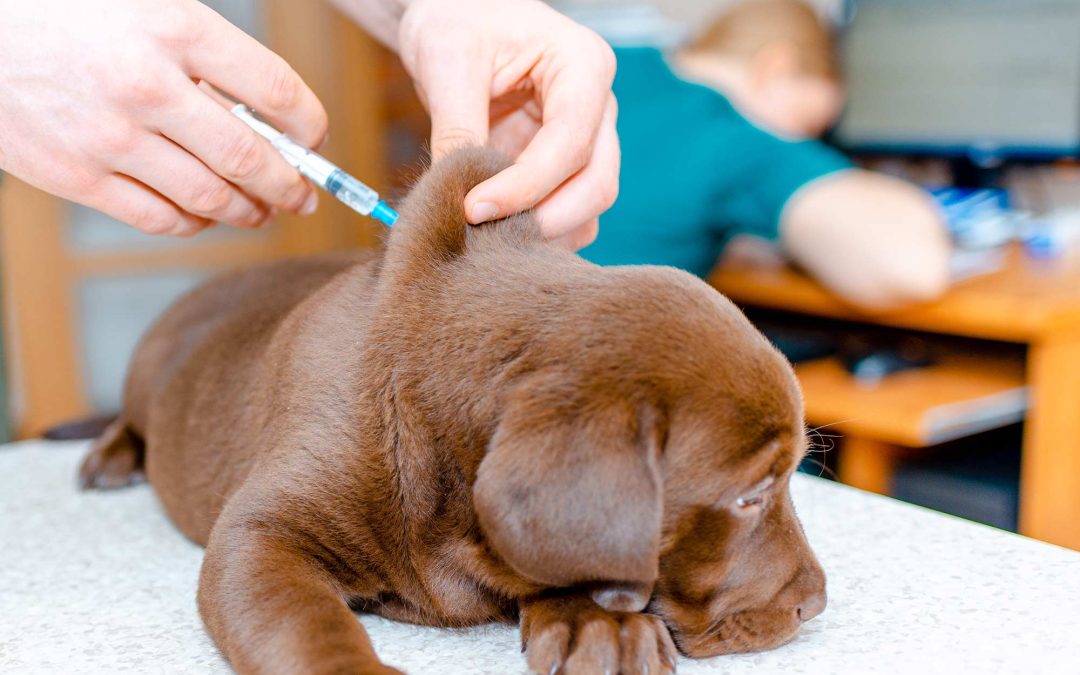
One of the most common respiratory illnesses affecting young dogs in Rossmore is kennel cough. It is a highly contagious illness that many people think only occurs in boarding kennels, but puppies can be exposed anywhere dogs gather, including parks, puppy preschool, grooming salons, veterinary clinics and even neighbourhood walks.
A kennel cough vaccine for puppies is one of the simplest and most effective ways to reduce the risk of this highly contagious respiratory disease. Starting vaccinations early helps protect your puppy during a stage of life when their immune system is still developing.
What Is Kennel Cough?
Kennel cough is the common name for Canine Infectious Respiratory Disease Complex (CIRDC). Rather than being caused by a single germ, it results from several viruses and bacteria working together to infect a dog’s airways.
The most common causes include:
- Bordetella bronchiseptica
- Canine parainfluenza virus
- Canine adenovirus type 2
- Other respiratory viruses and bacteria
The infection spreads through coughing, sneezing, direct contact between dogs and contaminated surfaces such as water bowls, toys or shared equipment.
Because it spreads so easily, puppies are among the most vulnerable dogs. Without appropriate vaccination, exposure at places such as dog parks, boarding kennels, grooming salons, puppy preschool or day care can quickly lead to infection.
Why Puppies Are More at Risk
Young puppies have immature immune systems that are still learning to fight infections. Although maternal antibodies provide some protection after birth, this protection gradually fades during the first few months of life.
Puppies are also naturally curious and social. As they begin exploring the world, they may attend:
- Puppy preschool
- Dog daycare
- Boarding facilities
- Grooming appointments
- Dog parks
- Social gatherings with other dogs
Each new interaction increases their chance of encountering respiratory infections if they are not properly vaccinated.

The Best Time for a Puppy’s Kennel Cough Vaccination
Where kennel cough protection is appropriate, the Bordetella and parainfluenza components may be included during the puppy vaccination program. The exact timing depends on the vaccine product used and your puppy’s circumstances. Some kennel cough vaccines are administered intranasally, while other products may be given by injection.
That is why there isn’t one universal kennel cough vaccine schedule for puppies that applies to every dog. Your veterinarian can recommend the appropriate product, timing and boosters based on your puppy’s age, health, lifestyle and exposure risk.
Types of Vaccines Puppies Need in Their First Year
Puppy owners will often hear the terms C3 and C5 vaccination. A C3 vaccine generally covers the core diseases:
- Canine distemper virus
- Canine adenovirus
- Canine parvovirus
A C5 vaccination commonly adds protection against canine parainfluenza and Bordetella bronchiseptica, which are associated with canine cough.
However, vaccine combinations can vary between products and veterinary practices. Canine parainfluenza and Bordetella bronchiseptica are classified as non-core vaccines because their use depends on an individual dog’s risk factors. So rather than choosing a vaccine simply because it is labelled “C5”, it is better to discuss your puppy’s actual lifestyle with your vet.
Can a vaccinated puppy still get kennel cough?
This is an important distinction for puppy owners.
Kennel cough involves multiple infectious agents, and vaccination does not guarantee that a dog will never develop a cough. Instead, vaccination helps provide protection against specific pathogens associated with canine cough and can reduce the risk and severity of disease.
Your puppy can therefore still develop a respiratory infection after vaccination, particularly if exposed to other infectious agents that are not covered by the vaccine. Vaccination should be considered one part of a broader approach to reducing infection risk.
How can you reduce your puppy’s risk of kennel cough?
Vaccination is important when your puppy’s lifestyle puts them at increased risk, but everyday precautions matter too.
Consider these practical steps:
Follow your puppy’s vaccination plan.
Don’t skip or delay recommended vaccinations without discussing it with your veterinarian.
Tell your vet about your puppy’s lifestyle.
If you plan to use daycare, boarding, grooming, puppy preschool or regular dog parks, mention this during the vaccination consultation.
Avoid contact with visibly unwell dogs.
A dog that is coughing or showing signs of respiratory illness should not be socialising with other dogs.
Use reputable puppy classes.
Choose classes that have sensible hygiene and vaccination policies and take disease prevention seriously.
Follow your vet’s advice about public places.
Disease risk varies between locations and circumstances, so your puppy’s vaccination status should be considered alongside the local risk.
Protecting your puppy starts with the right vaccination plan
There is no single vaccination schedule that is perfect for every puppy.
The right plan depends on your puppy’s age, health, lifestyle, likely contact with other dogs and local disease risks. Core vaccinations are essential for protecting puppies against serious diseases, while non-core vaccines such as those targeting Bordetella bronchiseptica and canine parainfluenza may be appropriate when a puppy’s lifestyle increases their exposure risk.
If you’re unsure whether your puppy needs a kennel cough vaccine, speak with your veterinarian before introducing them to high-contact environments such as daycare, boarding or busy dog parks.
At Rossmore Vet Hospital, our veterinary team can assess your puppy’s individual risks and help you establish an appropriate vaccination and preventative healthcare plan as they grow.