
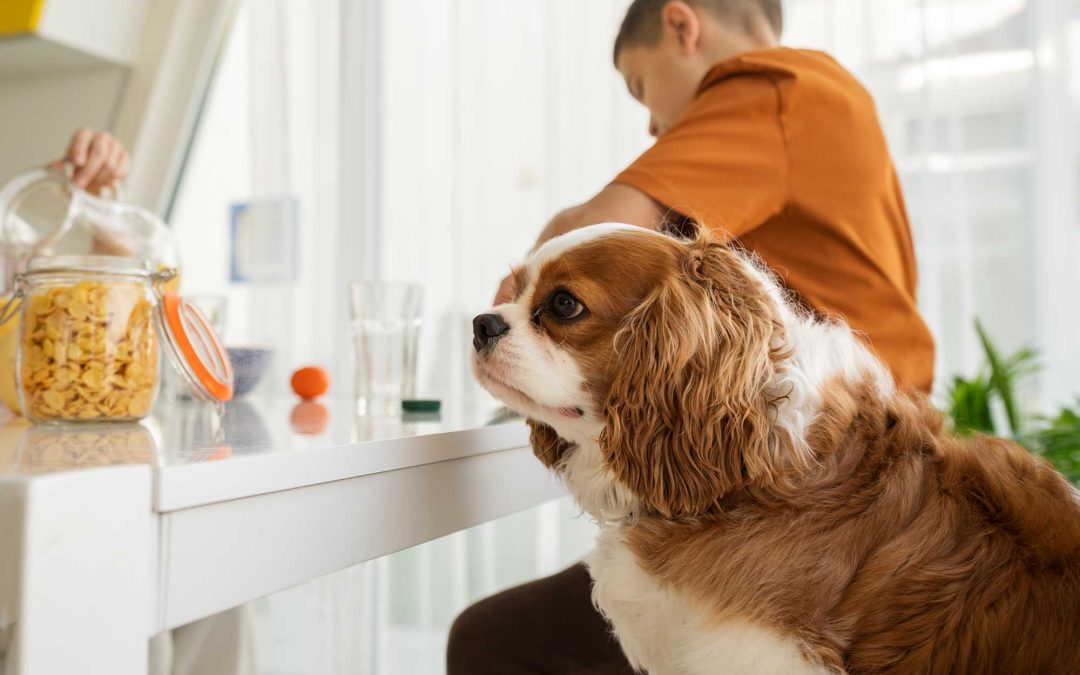
A packet of sugar-free chewing gum left in a handbag, a bottle of pain relief tablets on a bedside table, or a cleaning product stored under the sink can all lead to a veterinary emergency. Dogs and cats explore the world differently from humans. Puppies and kittens often investigate new objects by chewing, licking, or swallowing them, while adult pets may accidentally access items left within reach. Their smaller size and different metabolism also mean that substances considered safe for people can be highly toxic to animals.
Everyday products that seem harmless to people can cause serious illness, injury, or even become life-threatening when swallowed, inhaled, or touched by dogs and cats. Understanding which household items toxic to pets are commonly found around the home can help you create a safer environment and reduce the risk of emergency veterinary visits.
1. Human Medications
Common causes of pet poisoning is usually accidental ingestion of human medication. A dosage that is perfectly safe for an adult person can cause severe poisoning in a dog or cat, particularly in smaller breeds, puppies, kittens, or senior pets.
Pain Relievers
Over-the-counter pain medications such as ibuprofen, naproxen, and paracetamol (acetaminophen) can be extremely dangerous to pets. These medications affect vital organs and body systems differently in animals than they do in humans. Dogs and cats lack some of the metabolic pathways needed to safely process these drugs, increasing the risk of toxicity even at relatively low doses.
Ibuprofen and naproxen belong to a class of drugs known as non-steroidal anti-inflammatory drugs (NSAIDs). While effective for managing pain and inflammation in people, they can cause serious harm in pets. Dogs are often attracted to flavoured tablets and may consume an entire packet if given the opportunity.
Paracetamol presents a particularly serious danger for cats. Cats have a limited ability to metabolise this medication, making them extremely vulnerable to toxicity.
Prescription Medications
Prescription medicines used to treat conditions such as high blood pressure, heart disease, depression and anxiety, attention deficit disorders, diabetes, thyroid disorders, sleep disorders and chronic pain conditions can also pose significant risks if ingested by pets. These medications are another major cause of accidental poisoning in pets and can have significant effects on a pet’s cardiovascular, neurological, or metabolic systems.
Dogs are particularly prone to consuming dropped tablets or chewing through medication containers, while curious cats may investigate pill organisers left within reach.
Even small amounts may cause serious health complications, including:
- Kidney damage
- Liver failure
- Stomach ulcers
- Internal bleeding
- Neurological disorders
- Seizures
- Respiratory distress
- Abnormal heart rhythms
- Cardiovascular collapse
2. Household Cleaning Products
Cleaning products help keep homes hygienic, but many contain chemicals that can irritate or damage a pet’s skin, eyes, digestive system, and respiratory tract. Curious pets may walk across freshly cleaned floors and later lick their paws, investigate cleaning buckets, chew spray bottles, or drink from toilets that have recently been treated with chemical cleaners. Puppies and kittens are particularly at risk because they naturally explore their environment with their mouths.

Products that commonly cause problems include:
- Bleach and chlorine-based cleaners
- Disinfectants and antibacterial sprays
- Toilet bowl cleaners
- Oven cleaners
- Drain cleaners
- Mould and mildew removers
- Carpet cleaning solutions
- Concentrated floor cleaners
- Laundry detergents and detergent pods
- Dishwasher tablets
In more serious cases, pets may develop chemical burns, neurological symptoms, tremors, or collapse.
Some common symptoms include:
- Excessive drooling
- Vomiting
- Diarrhoea
- Pawing at the mouth
- Redness or irritation around the mouth
- Difficulty breathing
- Coughing or wheezing
- Eye irritation
- Loss of appetite
- Lethargy
3. Toxic Foods Found in the Kitchen
Dogs and cats process certain foods very differently. Some ingredients can affect the nervous system, kidneys, liver, or red blood cells, while others can trigger life-threatening reactions within hours of ingestion. What makes kitchen toxins particularly dangerous is how easily pets can access them.
Chocolate
Chocolate remains one of the most common food-related toxins encountered in veterinary practice, particularly around Easter, Christmas, birthdays, and other celebrations when chocolate products are more readily available in the home. It contains theobromine and caffeine, two naturally occurring stimulants that dogs and cats are unable to metabolise efficiently. As these substances build up in the body, they can affect the heart, nervous system, and gastrointestinal tract.
Symptoms of chocolate toxicity may include:
- Vomiting
- Diarrhoea
- Excessive thirst
- Restlessness
- Panting
- Elevated heart rate
- Muscle tremors
- Seizures
- Collapse
Not all chocolate products carry the same level of risk. If you’re interested in understanding the science behind chocolate toxicity and the steps to take immediately after an incident, read our guide on Why Dogs Can’t Eat Chocolate (and What to Do If They Do).
Grapes and Sultanas
Grapes, raisins, currants, and sultanas can cause sudden kidney failure in some dogs. The exact toxic mechanism remains unclear, and even small amounts may be harmful.
Unlike some toxins where the danger depends largely on the amount consumed, grapes and dried fruits can cause severe kidney injury in some dogs even after relatively small exposures. Veterinary researchers still do not fully understand why certain dogs are affected more severely than others, making it impossible to determine a “safe” amount.
Foods that commonly contain these ingredients include:
Fruit cake
Hot cross buns
Muesli bars
Trail mix
Raisin toast
Christmas pudding
Scones and baked goods
Early symptoms may include:
Vomiting
Diarrhoea
Lethargy
Reduced appetite
Increased thirst
Without prompt treatment, kidney function can deteriorate rapidly, potentially leading to acute kidney failure.
Grape and sultana toxicity in pets may initially appear normal. By the time obvious signs of illness develop, kidney damage may already be occurring. This is why immediate veterinary assessment is recommended whenever ingestion is suspected, even if your dog appears well.
Onions and Garlic
These ingredients belong to the Allium family and contain compounds capable of damaging red blood cells. This damage can reduce the blood’s ability to carry oxygen throughout the body and may result in a condition known as haemolytic anaemia.
The risk applies to onions and garlic in virtually all forms, including:
- Raw onions
- Cooked onions
- Onion powder
- Garlic powder
- Dehydrated onion flakes
- Garlic supplements
- Gravies and sauces containing onion or garlic
Many poisoning cases occur after dogs consume leftovers, roast dinners, pizza toppings, seasoned meats, or foods prepared for human consumption.
Symptoms may not appear immediately and can develop over several days.
Owners should watch for:
- Weakness
- Lethargy
- Pale gums
- Rapid breathing
- Reduced exercise tolerance
- Dark-coloured urine
- Loss of appetite
Xylitol
Xylitol is an artificial sweetener increasingly used in sugar-free products and is considered one of the most dangerous food toxins for dogs. While it is safe for human consumption, xylitol can trigger a rapid and potentially life-threatening release of insulin in dogs. This sudden insulin surge causes blood sugar levels to drop dramatically, sometimes within as little as 30 minutes after ingestion.
Xylitol is commonly found in:
- Sugar-free chewing gum
- Sugar-free lollies
- Breath mints
- Certain protein bars
- Reduced-sugar baked goods
- Dental products
- Some peanut butter brands
- Sugar-free spreads and snacks
Early signs of xylitol poisoning may include:
- Vomiting
- Weakness
- Staggering
- Disorientation
- Tremors
- Seizures
- Collapse
In more severe cases, xylitol can also cause significant liver injury and liver failure.
4. Household Plants That Can Harm Pets
Indoor and outdoor plants add beauty to the home, but some varieties are toxic if chewed or swallowed. In some cases, simply grooming pollen from their coat or drinking water from a vase containing lilies can be enough to trigger severe poisoning.
The severity of plant poisoning can vary significantly. Some plants may only cause mild stomach upset, while others can lead to serious organ damage requiring urgent veterinary treatment.
Lilies deserve special attention because they are among the most dangerous plants a cat can encounter. True lilies, including Easter lilies, Tiger lilies, Daylilies, and Asiatic lilies, can cause acute kidney failure in cats.

Common examples include:
- Lilies
- Aloe vera
- Peace lilies
- Sago palms
- Devil’s ivy (Pothos)
- Jade plants
- Cyclamen
- Philodendrons
- Snake plants
- Chrysanthemums
Early symptoms may include:
- Vomiting
- Drooling
- Loss of appetite
- Lethargy
- Increased thirst
- Reduced urination
5. Essential Oils and Fragrances
Essential oils commonly used in diffusers, cleaning products, candles, room sprays, and natural wellness remedies have become increasingly popular in homes, but some can be toxic to pets. These are highly concentrated plant extracts, even small amounts can sometimes cause significant health problems in susceptible animals and pets may be affected through skin contact, inhalation, or ingestion.
Cats are especially vulnerable. Unlike humans and dogs, cats lack certain liver enzymes required to efficiently break down and eliminate compounds found in many essential oils.
Potentially harmful oils include:
- Tea tree oil
- Eucalyptus oil
- Peppermint oil
- Cinnamon oil
- Pine oil
6. Batteries and Electronic Devices
Remote controls, children’s toys, watches, and household electronics often contain batteries that can be dangerous if chewed. Puppies are particularly at risk because they often explore unfamiliar objects by chewing. Unfortunately, a battery hidden inside a remote control or toy can become exposed within seconds, allowing harmful chemicals to leak or causing the battery itself to be swallowed.
The level of risk depends on the type of battery involved. While all batteries should be treated as a veterinary emergency, button batteries (also known as coin batteries) are especially hazardous. When swallowed, button batteries can become lodged in the mouth, throat, oesophagus, or stomach. Rather than simply acting as a foreign object, these batteries can generate an electrical current that reacts with surrounding tissues. This reaction can cause severe burns in a surprisingly short period of time.
Potential complications include:
- Chemical burns to the mouth, tongue, throat, or stomach
- Deep tissue ulceration
- Damage to the oesophagus
- Internal bleeding
- Perforation of the digestive tract
- Life-threatening infections
- Airway obstruction if the battery becomes lodged in the throat
7. Rodent Baits and Insecticides
Pest control products are designed to eliminate rodents and insects, making them inherently dangerous for pets. Modern rodent baits are specifically designed to be attractive to animals. They often contain flavourings that appeal not only to rats and mice but also to curious dogs. Puppies and food-motivated breeds are especially at risk, as they may consume an entire bait station if given the opportunity.
Exposure to rodenticides and insecticides may occur through:
- Direct ingestion of bait pellets, blocks, or granules
- Chewing or breaking open bait stations
- Contact with recently treated surfaces
- Drinking contaminated water
- Consuming poisoned rodents
- Accessing sheds, garages, roof spaces, or outdoor storage areas where pest control products are kept
Some rodent poisons interfere with the body’s ability to clot blood. These products may cause internal bleeding that develops gradually over several days.
Common signs may include:
- Weakness or lethargy
- Pale gums
- Difficulty breathing
- Nosebleeds
- Blood in urine or faeces
- Unexplained bruising
- Collapse in severe cases
Other rodenticides affect the nervous system and can trigger neurological symptoms such as:
- Muscle tremors
- Loss of coordination
- Hyperactivity
- Disorientation
- Seizures
8. Laundry and Household Detergents
Laundry capsules, dishwasher tablets, and concentrated detergents can be attractive to curious pets because of their smell, texture, or appearance.
Laundry pods are especially concerning because they are often brightly coloured, soft, and easy for pets to mistake as toys. When bitten, the concentrated detergent inside can burst into the mouth, exposing sensitive tissues to highly irritating chemicals.
Depending on the product and the amount involved, exposure can result in:
- Excessive drooling
- Pawing at the mouth
- Vomiting
- Difficulty swallowing
- Mouth ulcers
- Breathing difficulties
- Eye irritation
- Chemical burns to the mouth, throat, or oesophagus
Protecting Your Pet from Everyday Household Hazards
Contact your veterinarian as soon as possible and provide details about the product involved, the estimated amount consumed, and the time of exposure.
At Rossmore Vet Hospital, we understand how frightening a poisoning emergency can be. Prompt assessment and treatment can make a critical difference, which is why seeking professional advice at the earliest opportunity is always recommended. When it comes to potential toxin exposure, it is far safer to act quickly than to assume everything will be fine.