
What Does Lethargy in Cats Actually Mean?
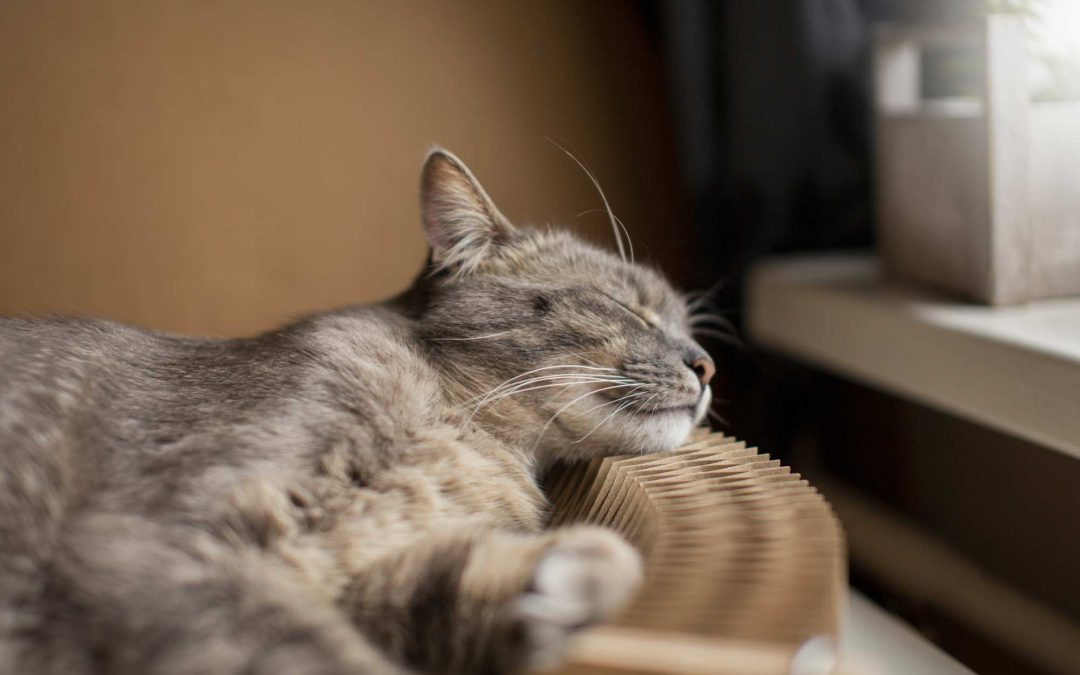
A lethargic cat is more than just a sleepy or relaxed pet. Lethargy refers to a noticeable drop in energy, alertness, and interest in normal behaviour.
While cats do naturally sleep 12–16 hours a day, a sudden shift in behaviour, or a gradual decline in energy and engagement, is often what signals that something may not be quite right.
Signs may include:
1. Sleeping much more than usual
Cats already sleep for long periods, but lethargy often looks like excessive sleeping beyond their normal pattern. They may stay curled up in one spot for most of the day, be difficult to rouse, or seem uninterested in waking even during usual feeding or activity times.
2. Showing little or no interest in play or interaction
A normally playful or social cat may suddenly ignore toys, avoid interaction, or not respond to their name or familiar voices. This lack of engagement is often one of the earliest and most noticeable changes owners pick up on.
3. Moving slowly or avoiding activity
You may see your cat walking with less energy, hesitating before jumping, or avoiding stairs, furniture, or favourite resting spots. In some cases, they may stop moving around the house as much and prefer to stay in one place.
4. Hiding more often than usual
Cats sometimes hide when they are unwell or uncomfortable. A lethargic cat may spend extended periods under beds, in cupboards, or in quiet corners, avoiding interaction and seeking isolation more than usual.
5. Reduced grooming
Healthy cats are typically fastidious groomers. When unwell, they may stop grooming properly, leading to a dull coat, visible shedding, or a slightly messy appearance, especially around the face and body.
Why Winter Can Make Lethargy Hard to Spot
During colder months, cats may naturally appear more relaxed or sleep a little longer. However, winter can also mask underlying health problems.
Increased indoor time means:
- Less activity and stimulation
- Subtle changes in appetite go unnoticed
- Weight loss or fatigue is harder to detect
- Owners may assume behaviour changes are “normal for winter”
Common Causes of Lethargy in Cats
There are many possible causes behind a lethargic cat, ranging from mild issues to serious medical conditions. Some of the most common include:
Infections or viral illness
Upper respiratory infections or viral diseases can leave cats weak, tired, and unwilling to eat or play.
Pain or injury
Cats instinctively hide pain. Arthritis, dental disease, or internal injury may present only as reduced activity.
Digestive issues
Gastrointestinal problems often lead to low energy and appetite changes.
Fever or inflammation
Even mild infections can cause significant fatigue.
Chronic conditions
Kidney disease, diabetes, or thyroid issues often begin with subtle signs like lethargy.
Stress or environmental change
New pets, moving house, or routine disruption can affect behaviour and appetite.
When It’s Time to Take It More Seriously
A key warning sign is when lethargy is combined with appetite loss. If your cat is lethargic and not eating, this should always be taken seriously. Loss of appetite is one of the most common symptoms seen in sick cats.
It may be caused by:
- Pain (especially dental pain)
- Nausea
- Fever
- Organ dysfunction
- Stress or anxiety
Even short periods of not eating can be dangerous for cats, particularly if they are overweight or already unwell. Cats can develop complications such as hepatic lipidosis (fatty liver disease) if they stop eating for too long.
Other red flags include:
- Vomiting or diarrhoea
- Laboured breathing
- Noticeable weight loss
- Dehydration
- Hiding for long periods
- Vocalising in discomfort
If your cat is lethargic and not eating continues for more than 24 hours, veterinary assessment is strongly recommended.
What You Can Check at Home
While a vet visit is often necessary, there are a few things you can observe before bringing your cat in:
- Has their water intake changed?
- Are they using the litter box normally?
- Are they responsive when approached?
- Do they show interest in food or treats?
- Are they grooming as usual?
You should seek veterinary care urgently if:
- Your cat has not eaten for 24 hours
- Lethargy is sudden or severe
- There is vomiting or diarrhoea
- Breathing appears abnormal
- Your cat is hiding and unresponsive
How Veterinarians Diagnose Lethargy
Because lethargic cat cases can stem from many different causes, diagnosis is about ruling out serious conditions first and narrowing down the root cause.
- Full physical examination
- Temperature and hydration checks
- Blood and urine testing
- Dental assessment
- Imaging (if needed)
There is no single treatment for lethargy because it is a symptom, not a disease. Early intervention greatly improves outcomes, especially in older cats.
Treatment may include:
- Fluids for dehydration
- Antibiotics for infection
- Pain relief medication
- Dietary support or appetite stimulants
- Long-term management for chronic disease
While not all causes are preventable, you can reduce risk by:
- Scheduling regular vet check-ups
- Maintaining a balanced diet
- Keeping vaccinations up to date
- Monitoring weight and behaviour changes
- Providing mental stimulation indoors
A lethargic cat should never be dismissed as simply “lazy” or “just getting older.” In many cases, it is the earliest and most important warning sign of an underlying health issue.
At Rossmore Vet Hospital, we encourage pet owners to trust their instincts. We regularly see cases where early warning signs were mistaken for harmless behaviour changes.
If you are worried, contact us or come in and see us today.