
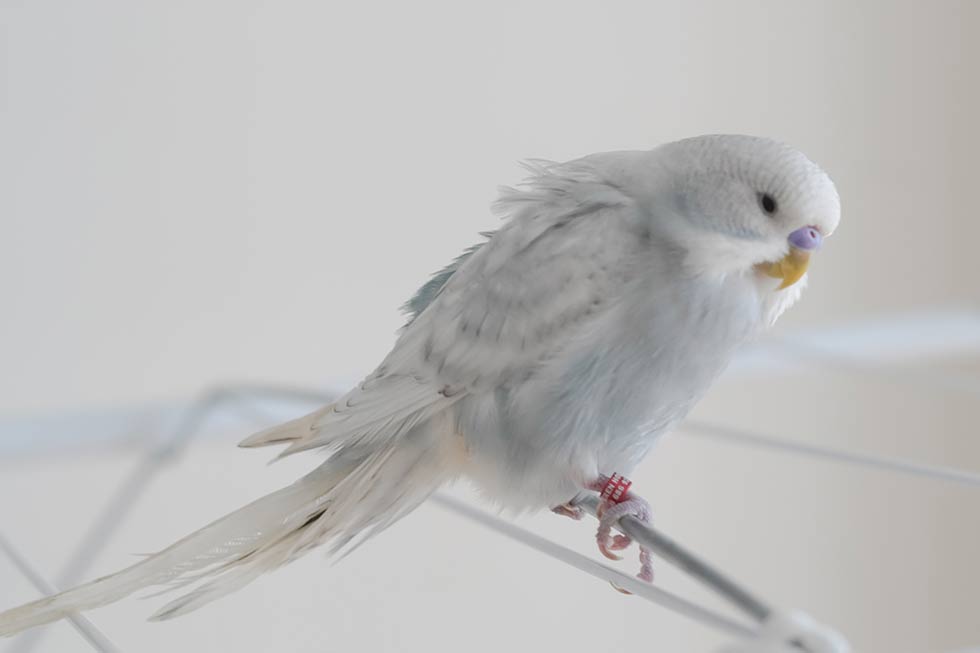
Why Do Birds Puff Up Their Feathers?
A bird puffing up feathers is not automatically a cause for alarm. In fact, it’s one of the most common behaviours seen in pet birds, especially during cooler weather or rest periods.
Birds fluff their feathers for several key reasons:
- To trap warm air close to their body and maintain body temperature
- To relax or sleep comfortably
- To appear larger if they feel slightly threatened or insecure
- To conserve energy during rest
In colder environments, a bird puffed up appearance is often simply a natural survival response. By trapping air between their feathers, birds create an insulating layer that helps them stay warm. A healthy bird will usually puff up temporarily and still remain alert, active, and responsive.
Normal Winter Behaviour vs Illness
Normal “Cold Weather” Puffing
A healthy bird may:
- Puff up briefly, then return to normal posture
- Fluff feathers in the morning or evening when temperatures drop
- Still eat, drink, and interact normally
- Respond quickly to sound, movement, or handlingPreen and behave as usual
This type of bird puffing up feathers is usually nothing to worry about and is simply thermoregulation.
Thermoregulation is the process by which an animal maintains its internal body temperature within a safe and stable range, even when the surrounding environment changes. In birds, this is especially important because they are warm-blooded (endothermic), meaning they generate their own body heat.
Concerning Signs to Watch For
A bird that is ill will often appear puffed up for long periods, not just occasionally.
Red flags include:
- Constantly bird puffed up posture throughout the day
- Lethargy or sitting quietly for long periods
- Loss of appetite or reduced drinking
- Fluffed feathers even in warm environments
- Sitting at the bottom of the cage
- Laboured breathing or tail bobbing
- Droppings that look unusual in colour or consistency
When a bird remains puffed up feathers for extended periods, it is often trying to conserve energy due to illness. In the wild, birds hide signs of sickness to avoid predators, so by the time symptoms are visible, the condition may already be progressing.
Common Health Issues Behind a “Puffed Up” Bird
If your bird is consistently bird puffed up and not behaving normally, there are several possible health concerns that could be involved:
1. Respiratory Infections
Birds with breathing issues often fluff up to reduce stress on the body. You may also notice sneezing, nasal discharge, or tail bobbing.
2. Digestive Problems
Illnesses affecting the gut can cause discomfort, leading to a bird puffed up appearance and reduced appetite.
3. Stress or Environmental Changes
Sudden changes in temperature, lighting, noise, or cage location can cause temporary puffing as a stress response.
4. Parasites or Pain
Internal or external parasites, injury, or chronic pain can all cause a bird puffed up posture as the bird tries to conserve energy.
Temperature and Environment Matter More Than You Think
One of the most common reasons for a bird puffing up feathers in winter is simply temperature management.
Unlike mammals, birds rely heavily on feather insulation. If your home becomes colder at night or during early mornings, your bird will instinctively fluff up to stay warm.
To help your bird stay comfortable:
- Keep cages away from draughty windows or doors
- Avoid sudden temperature changes
- Provide a consistent indoor temperature where possible
- Consider safe, bird-appropriate heating during colder months
- Ensure night-time coverage if appropriate for the species
A stable environment can significantly reduce unnecessary bird puffed up behaviour linked to cold stress.
You should contact a veterinarian if:
- Your bird remains puffed up for more than a day
- There is reduced appetite or water intake
- Breathing appears abnormal
- Your bird is unusually quiet or unresponsive
- Droppings change significantly
Seeing your bird puffing up feathers in winter can be worrying, but it is not always a sign of illness. In many cases, a bird puffed up posture simply means your pet is trying to stay warm or rest comfortably.
When in doubt, it’s always safer to seek professional advice. At Rossmore Vet Hospital, we regularly see cases where early signs such as feather puffing were the first indication of underlying illness.