
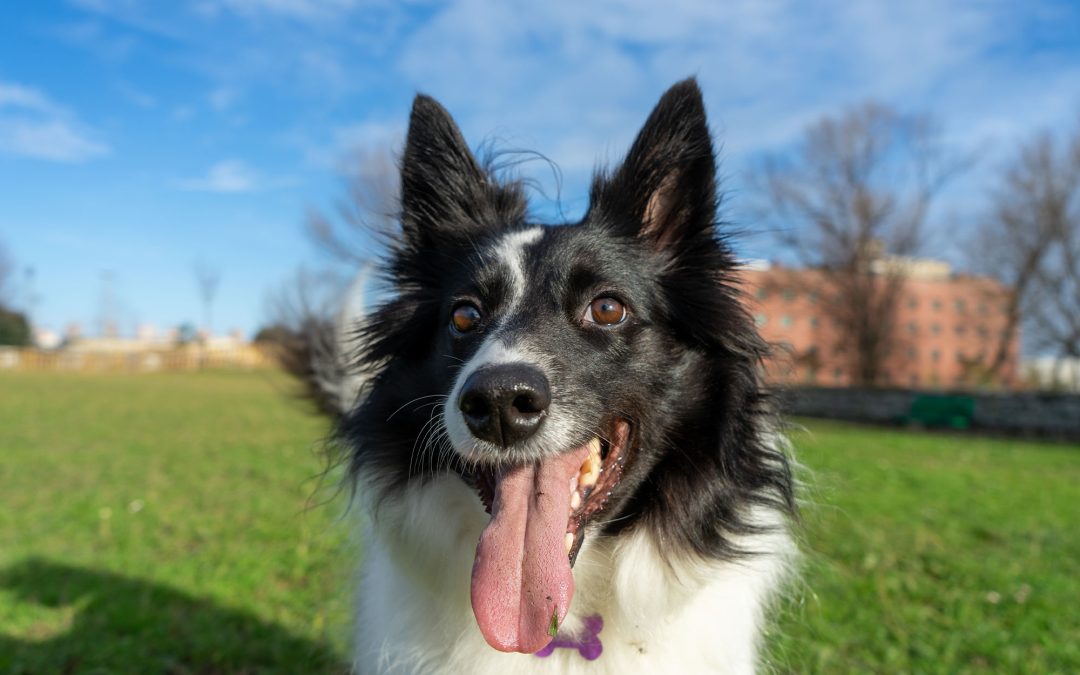
What Is Dog Heat Stroke?
Dog heatstroke is a life-threatening emergency that occurs when a dog’s body temperature rises beyond its ability to cool itself. Without prompt treatment, severe heatstroke can cause dehydration, organ damage, collapse and potentially death.
Dogs can develop heatstroke surprisingly quickly, particularly during hot or humid weather. It is not limited to extreme outdoor temperatures. Hot cars, poor ventilation, strenuous exercise, dehydration and exposure to hot environments can all cause a dog to overheat.
Some dogs are also more vulnerable than others, including:
- Flat-faced (brachycephalic) breeds, such as Pugs, French Bulldogs and Bulldogs, which can have difficulty cooling themselves through panting
- Puppies and older dogs, which may have less ability to regulate their body temperature
- Overweight dogs, which can overheat more easily
- Dogs with thick or long coats, which can retain more heat
- Dogs with heart or respiratory conditions, which may have more difficulty coping with heat and increased breathing demands
- Dehydrated dogs, which have a reduced ability to cool themselves
- Dogs exercising heavily in hot or humid conditions, particularly during the warmer parts of the day
The RSPCA notes that brachycephalic dogs have a particularly high risk because their shortened airways can make it harder to cool themselves through panting.
Can a Dog Recover From Heatstroke?
Yes, some dogs can make a full recovery from heatstroke, particularly when cooling and veterinary treatment begin quickly. However, severe heatstroke can cause serious internal damage and may be life-threatening.
A dog’s chances of recovery depend on several factors, including how high their body temperature became, how long they remained overheated, how quickly treatment started and whether complications developed. Heatstroke can affect multiple organs, including the kidneys, liver, gastrointestinal tract, heart, brain and blood-clotting system.
Importantly, a dog appearing better after being cooled does not always mean they have fully recovered. Some complications may develop after the initial overheating has been treated, which is why veterinary monitoring can be important even when your dog seems more comfortable.
This is why a dog that has experienced suspected heatstroke should be assessed by a veterinarian, even if they seem better after cooling.
How to Tell If Your Dog Is Too Hot
Panting is normal after exercise or on a warm day. But if your dog is panting heavily and cannot settle, cool down or breathe comfortably, they may be overheating.
Heatstroke can become life-threatening quickly. Watch for these warning signs:
Excessive or relentless panting
Heavy panting that does not ease after your dog stops exercising and moves somewhere cool is a warning sign.
Excessive drooling
Your dog may drool much more than usual, with saliva becoming thick or sticky.
Red, pale or abnormal gums
Gums may appear unusually red, pale or otherwise abnormal. Changes in gum colour should be taken seriously, particularly when combined with other signs.
Restlessness or agitation
An overheated dog may seem anxious, unsettled or unable to get comfortable.
Weakness or lethargy
As heatstroke progresses, your dog may become weak, lethargic or reluctant to stand or walk.
Difficulty breathing
Rapid, laboured or increasingly difficult breathing is an emergency warning sign.
Vomiting or diarrhoea
Heatstroke can affect the digestive system and may cause vomiting or diarrhoea. Severe cases may involve bloody diarrhoea.
Staggering, confusion or disorientation
Neurological signs are particularly concerning. Your dog may become uncoordinated, confused or have difficulty walking normally.
Muscle tremors or seizures
Trembling, muscle twitching or seizures indicate severe illness and require immediate veterinary treatment.
Collapse or unconsciousness
If your dog collapses, becomes unresponsive or loses consciousness, they need emergency veterinary care immediately.
What Should You Do If You Suspect Heatstroke?
Never Leave Your Dog in a Parked Car
The Best Protection Against Dog Heat Stroke Is Prevention
The best way to protect your dog from heat stroke is to prevent overheating before it starts. On hot or humid days, even normal exercise can become dangerous, particularly for flat-faced breeds, older dogs, overweight dogs and dogs with heart or breathing problems.
When temperatures are particularly high, remember that your dog does not need to go for their usual walk. Indoor enrichment, gentle training games and quiet activities can provide mental stimulation while keeping them safely out of the heat.
Keep plenty of fresh water available, make sure your dog has a cool and shaded place to rest, and avoid exercising during the hottest part of the day. It is also worth checking the pavement before heading out, as hot surfaces can burn your dog’s paw pads.
Most importantly, trust your instincts. If your dog seems unusually tired, is panting excessively, appears weak or unsteady, or you are simply worried that they may be overheating, don’t wait for their symptoms to get worse.
If you’re concerned about your dog’s health in hot weather, the team at Rossmore Vet Centre is always happy to help.