
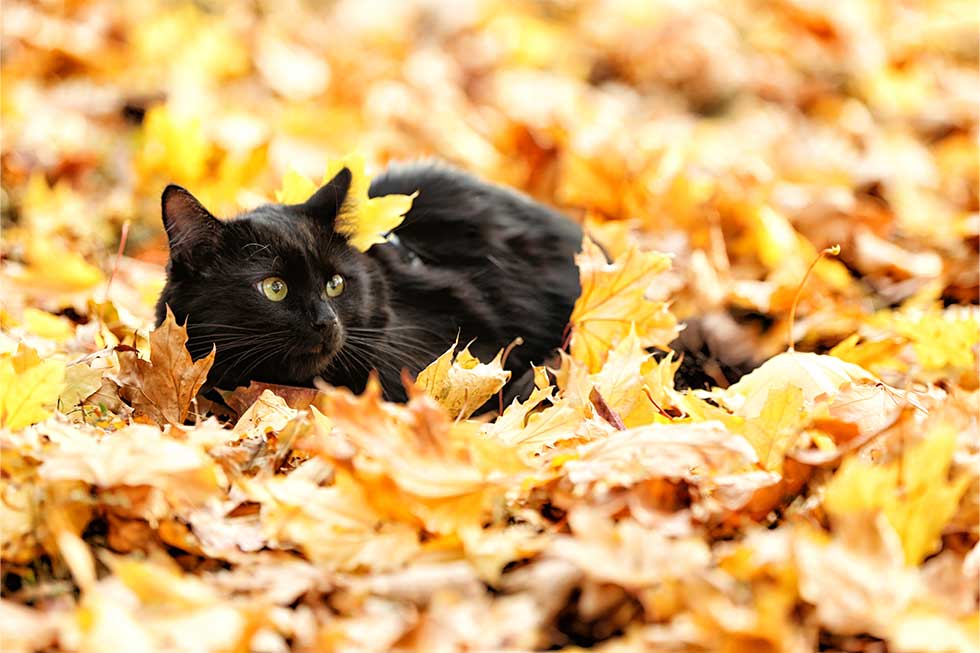
Autumn can affect your pet’s health, from seasonal allergies to hidden parasites, if you don’t pay attention. The good news is that with a bit of awareness and preventative treatment, most of these concerns may be addressed before they become serious problems.
Common Autumn Health Risks for Pets
Seasonal Allergies
Pets, like humans, can have seasonal allergies. In the autumn, mould spores, rotting leaves, and some pollen can cause allergies in dogs and cats.
You might notice symptoms such as:
- Excessive scratching or licking
- Red or irritated skin
- Ear infections
- Watery eyes or sneezing
- How to prevent it
Fleas and Ticks That Last Longer Than Expected
Many pet owners assume fleas disappear after summer, but that’s rarely the case. Pets can still be vulnerable to parasites in autumn, especially during mild or humid weather. Fleas often survive well into the cooler months and can thrive indoors where heating creates a warm environment.
Joint Stiffness and Arthritis Flare-Ups
As temperatures drop, pets who already have joint problems may experience stiffness or discomfort. During colder weather, older dogs and cats are more likely to experience arthritis flare-ups.
Common signs include:
- Difficulty getting up or lying down
- Slower movement while walking
- Reluctant to jump or climb stairs
Weight Gain Due to Reduced Activity
Cooler weather can reduce activity levels in both pets and their owners. Shorter days and wet weather may cause fewer walks or play sessions, resulting in undesired weight gain. Small changes in activity levels might have a long-term impact on your pet’s health.
Toxic Mushrooms and Plants
Wild mushrooms and fungi are often more abundant in the autumn, especially in wet locations like parks, gardens, and forest walking routes. Unfortunately, many of these are poisonous if consumed. Dogs, in particular, are curious and may sniff or eat unusual plants.
Respiratory Infections
The cooler, wetter conditions of autumn can worsen respiratory disorders, particularly in pets that frequently visit kennels, dog parks, or grooming facilities.
Symptoms could include:
- Coughing
- Nasal discharge
- Reduced energy levels
Keeping Pets Healthy as the Seasons Change
Autumn does not have to be a time when your pet experiences health issues. In fact, with the necessary precautions, it can be one of the best times of year for outdoor adventures and cozy evenings at home.
Keeping pets in autumn comes down to a few basic habits:
- Maintain consistency with parasite prevention
- Check for signs of allergic reactions or skin irritation
- Maintain joint health when temperatures drop
- Maintain a regular workout schedule
- Be careful near mushrooms and unusual plants
- Keep vaccines and veterinary check-ups up to date
Seasonal changes have a major effect on animals than most people realize, but paying attention to subtle changes in behavior or health can make all the difference.
If you want to keep your autumn pets healthy, the best way is to arrange a seasonal wellness check with your veterinarian and go over your pet’s preventative care program.
At the Rossmore Vet Centre, we provide comprehensive support to help pets stay well as the seasons change. A little planning ahead can go a long way in keeping your pet happy, active, and thriving throughout autumn.