
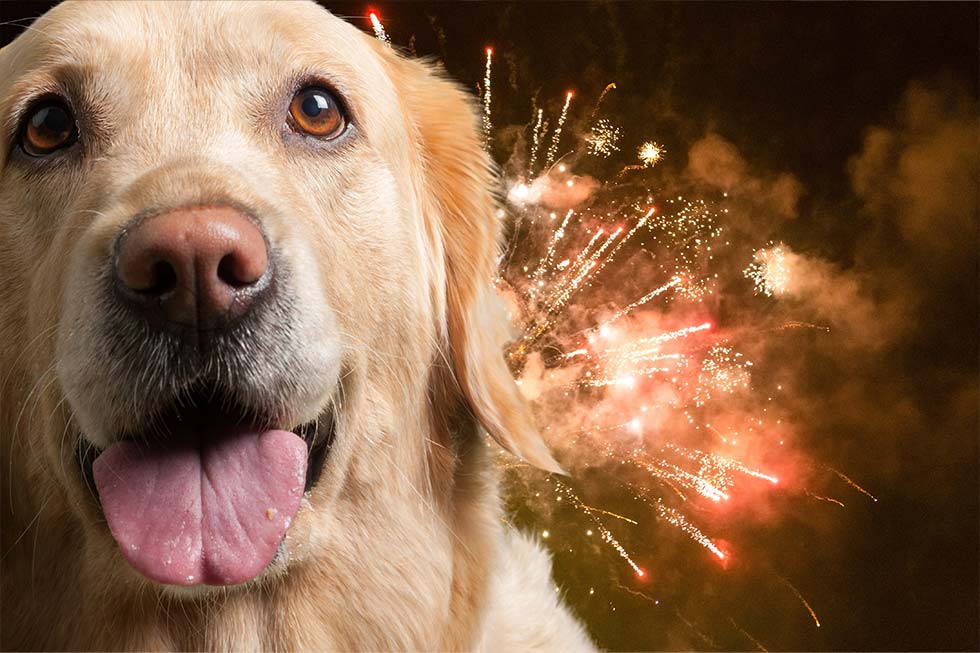
Fireworks, thunderstorms, and sudden loud noises can turn a happy dog into a trembling, anxious bundle of nerves. Understanding why your dog freaks out and knowing how to help can make a huge difference in keeping them calm and safe.
At Rossmore Vet Hospital, we see dogs stressed by loud sounds every year. Here’s a guide on what happens when dogs experience noise anxiety and how to console them effectively.
Why Dogs Freak Out During Loud Noises
Dogs have far superior hearing compared to humans, they can detect frequencies we can’t even imagine. This makes fireworks, thunderstorms, and construction noises overwhelming. Common reactions include:
-
Trembling or shaking
-
Panting excessively
-
Hiding or trying to escape
-
Barking, whining, or pacing
These behaviours are a mix of fear and confusion, as loud noises trigger their natural fight-or-flight response. For some dogs, especially those with past traumatic experiences, this fear can be severe.
What Happens in Their Body
When a dog is exposed to sudden loud noises, their body releases stress hormones like cortisol and adrenaline. This can:
-
Increase heart rate and blood pressure
-
Cause rapid breathing or panting
-
Lead to digestive upset (vomiting or diarrhoea)
-
Trigger attempts to escape from perceived danger
Understanding this helps us respond with calm reassurance rather than punishment, which could worsen anxiety.
Tips to Console Your Dog During Noisy Events
- Stay Calm and Confident
Dogs pick up on your energy. Speak softly, offer gentle petting, and avoid panicking. - Create a Safe Space
Provide a quiet, comfortable area with their bed, favourite toys, and blankets. Closing windows, drawing curtains, or playing soft music can help reduce external noise. - Use Distraction Wisely
Engaging your dog with chew toys, puzzle feeders, or gentle play can redirect their focus away from the noise. - Gradual Desensitisation
Expose your dog to recordings of fireworks or thunderstorms at a low volume over time, pairing it with treats and positive reinforcement. This helps build tolerance and reduces fear responses. - Consider Anxiety Wraps or Pheromones
Products like calming vests, pheromone diffusers, or sprays can provide comfort and reassurance during stressful events. - Consult Your Vet for Severe Cases
Dogs with extreme noise phobias may benefit from medications or behaviour modification programs. A veterinarian can provide tailored advice to keep your dog safe and relaxed.

When to Seek Help
If your dog shows extreme reactions, such as trying to escape, self-harming, or shaking uncontrollably, it’s time to call your vet. Early intervention and consistent support can prevent long-term anxiety and make future fireworks seasons less stressful.
At Rossmore Vet Hospital, we specialise in helping anxious pets through behavioural advice, safe interventions, and compassionate care. Your dog’s wellbeing is our priority, because no dog should live in fear of a little noise.
Final Thought: Patience, Comfort & Understanding
Noise anxiety in dogs is real, and every dog reacts differently. By staying calm, creating safe spaces, and knowing when to seek professional help, you can help your furry friend feel secure, even when the fireworks are booming.